Colour
Different vegetables and fruits offer variety in taste, texture and preparation.
FOOD PATTERNS · UPDATED 5 OCTOBER 2026
A plate can offer a visual way to consider variety and satisfaction. It is not a prescription and should adapt to culture, appetite, access and professional advice.
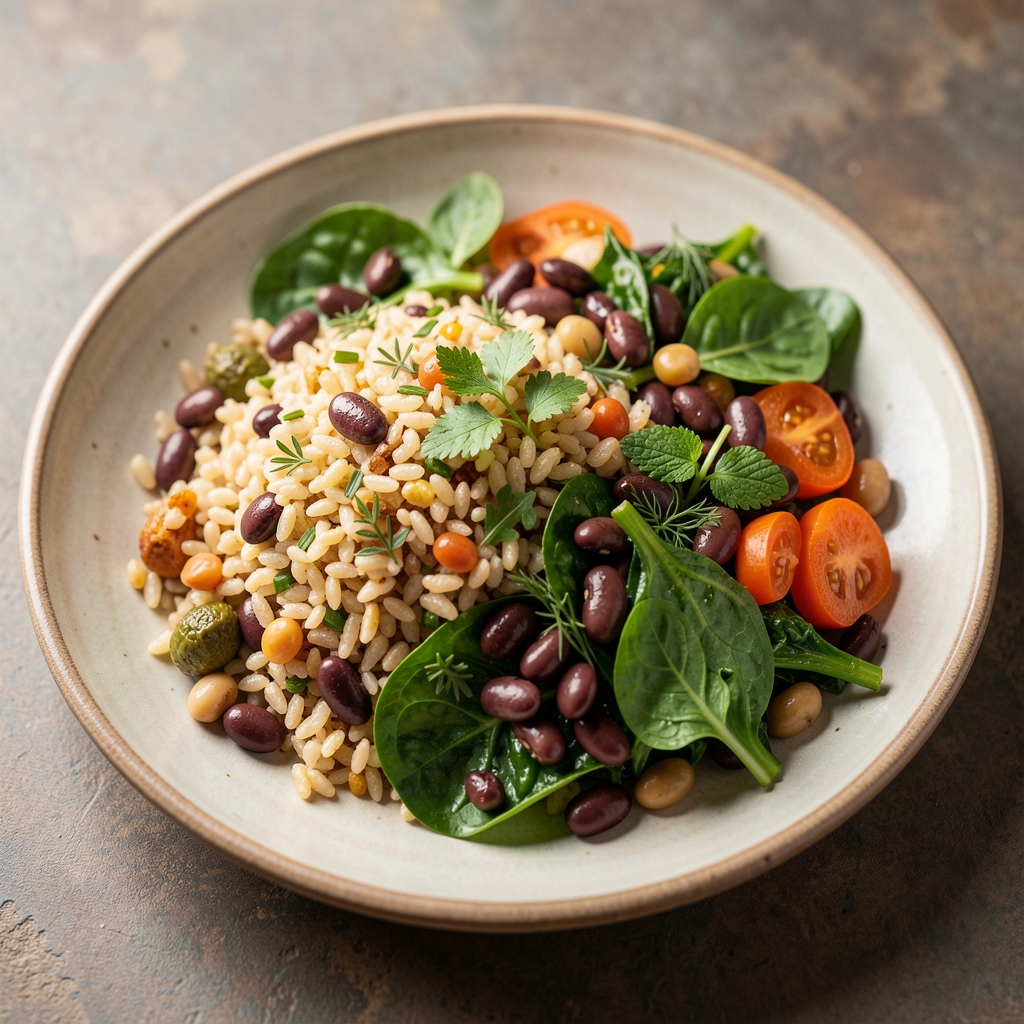
Different vegetables and fruits offer variety in taste, texture and preparation.
Grains, potatoes, bread or another staple can make a meal familiar and practical.
Beans, eggs, fish, meat or other suitable options can be considered within personal guidance.
| Need | Possible adjustment | Question |
|---|---|---|
| Limited time | Use prepared or frozen ingredients. | What can be assembled safely? |
| Different appetite | Change portion and timing. | What feels comfortable? |
| Dietary instruction | Follow the professional plan first. | Which foods fit that advice? |
No. Meals vary across cultures, schedules and household needs.
Use an accessible alternative or focus on the wider pattern over time.
The balanced plate is a teaching image, not a test. Personal advice should take priority where a condition or treatment changes dietary needs.
“Balance is more useful as a flexible pattern than as a fixed picture.”
A flexible plate can look different from one meal to the next and still be part of a varied routine.