Pattern
The overall mix of foods and routines over time, rather than one isolated ingredient.
EVIDENCE IN CONTEXT · 2026
Inflammation is a broad term used in research and everyday conversation. Food patterns should not be presented as a substitute for assessment or care.
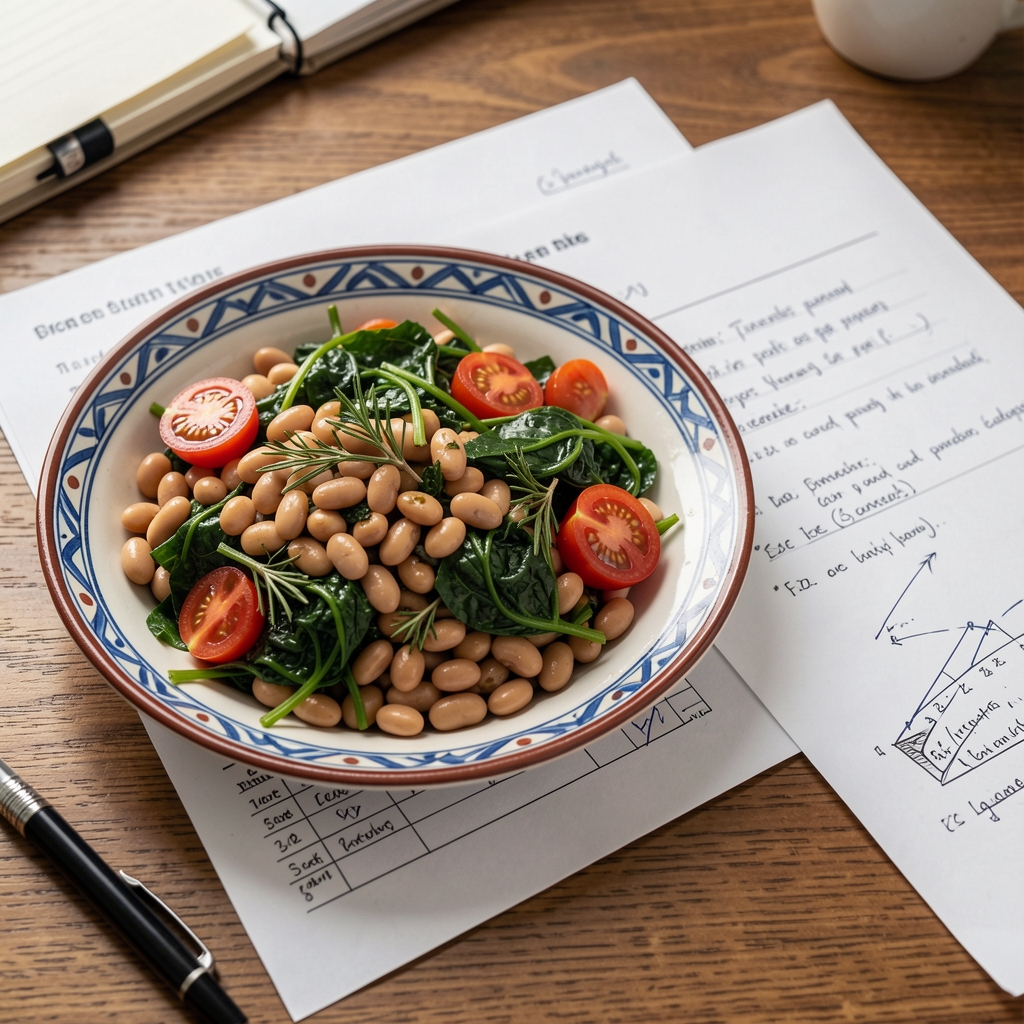
The overall mix of foods and routines over time, rather than one isolated ingredient.
A relationship observed in data that does not by itself establish a personal cause.
Research and guidance interpreted with attention to method, limits and relevance.
Medication, sleep, activity, environment and existing care surrounding food.
| Wording | What to ask | Cautious interpretation |
|---|---|---|
| Linked with | What population and study design? | An observed relationship needs context. |
| May influence | How large and consistent is the evidence? | It does not describe every individual. |
| Anti-inflammatory | What does the source define? | Broad marketing language needs scrutiny. |
No single food can explain a complex health experience. Loreon uses measured language and does not make treatment or prevention claims.
“Careful nutrition writing distinguishes an interesting finding from advice that can be applied to one person.”
These questions help separate a source from a simplified headline.