Base
Choose a grain, potato, bread or another familiar foundation.
EVERYDAY PRACTICE · 2026
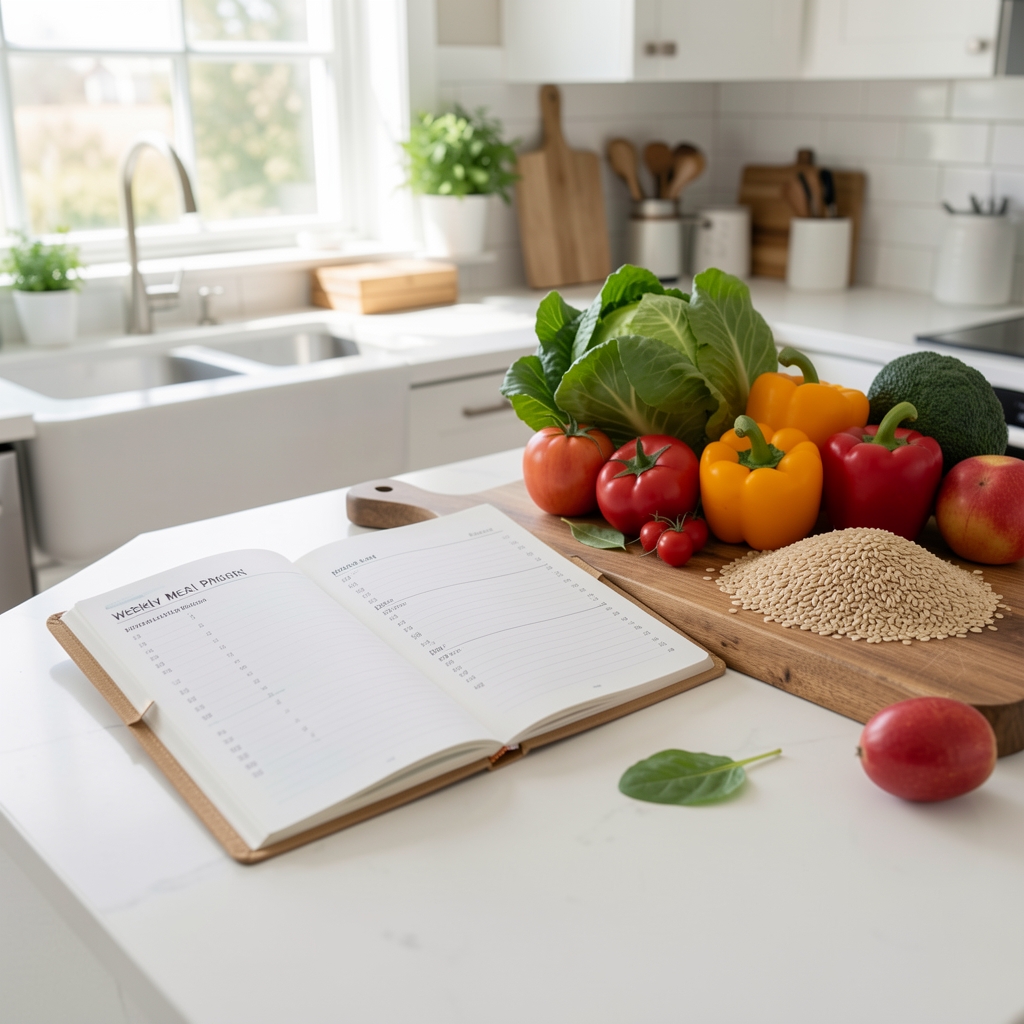
Planning can reduce daily decisions, but a useful plan must leave room for time, budget, appetite, culture and change.
| Style | Useful feature | Possible limitation |
|---|---|---|
| Full weekly menu | Clear shopping overview. | Can feel inflexible when plans change. |
| Ingredient list | Supports improvisation. | Needs time and confidence. |
| Two-day plan | Lower planning burden. | May require more frequent shopping. |
Choose a grain, potato, bread or another familiar foundation.
Pair with vegetables, beans, eggs, fish or another suitable food.
Use herbs, sauces or leftovers according to taste and availability.
A plan is a tool, not a measure of discipline. Adjust it when work, health, finances or family needs change.
“The most useful plan is often the one that can change without creating extra pressure.”
A short review after the week can make the next plan more realistic.